Eating out on a budget doesn't mean ordering the cheapest thing on the menu and hoping for the best. It means reading the menu for value signals — dishes where the kitchen puts real effort in for a fair price — and avoiding the traps that most restaurants rely on to upsell.
The best value structures on any menu
Lunch specials
Most sit-down restaurants price their lunch menu 20–40% lower than dinner for identical or near-identical dishes. If you have any flexibility about when you eat, lunch is the single biggest lever for restaurant value. Look for:
- Lunch set menus (a starter + main + drink for a fixed price)
- Half portions of signature dishes at lunch
- Sandwich or small plate versions of dinner mains
Even if you're eating at dinner time, ask whether any lunch pricing carries over into early evening (common at 5–6pm in many places).
Rice and grain bowls
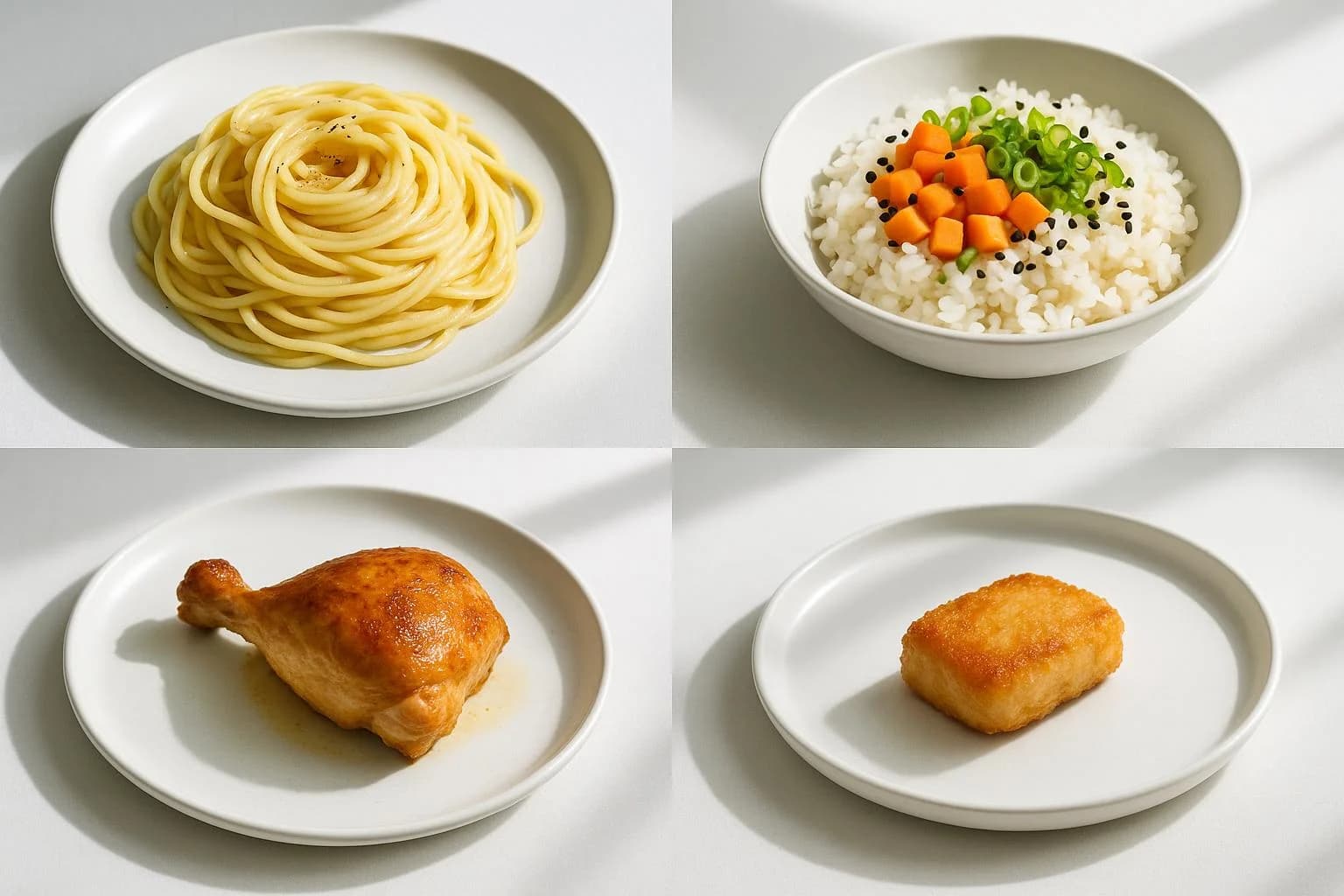
Bowls built on rice, quinoa, noodles, or grains are one of the best value structures on a menu. The base ingredient is cheap; the kitchen makes margin on the protein and sauce. But as a diner, you get a complete, filling meal with good nutrition density at a lower price than a protein-and-two-sides plate.
At cuisines where bowls are the default — Japanese (donburi), Korean (bibimbap, rice bowls), Vietnamese (bún, cơm plates), Middle Eastern (grain bowls, shawarma plates), Mexican (burrito bowls) — the bowl is almost always the best value option.
Pasta and noodle dishes
At Italian restaurants, a pasta dish almost always costs less than a meat main and often rivals it for satisfaction. The same applies at Thai (pad thai, noodle soups), Chinese (noodle dishes, stir-fried rice), and Vietnamese (pho, bun bo hue) restaurants.
The key: a restaurant that does pasta or noodles well is investing in the sauce, not the container. You get craft at a good price.
Street-food-style dishes
Tacos, dumplings, small plates designed to be ordered in multiples — these are often excellent value because the portion size is right for the price and the turnover is high (meaning fresh food). Two or three tacos at a good Mexican spot will cost less and often taste better than one elaborate main.
Sharing starters instead of mains
At mid-range restaurants, ordering two or three starters between two people often provides more variety and better value than two mains. The kitchen frequently puts more creativity into starters; the portions are sized for sharing; and the price per item is lower.
Price signals to read on a menu
Market price = expensive, skip unless you have budget
"Market price" next to fish, lobster, or anything else means the kitchen won't commit to a price because it fluctuates. It's almost always the most expensive item. Skip it unless you're prepared for a surprise.
Side dishes with decimal pricing
A side dish priced at $4.99 instead of $5 is being priced to feel lower than it is. Check whether the main comes with a side or whether you're building à la carte — an à la carte meal with protein + two sides can easily exceed a set meal priced higher up the menu.
Dish placement on the menu
Restaurants put high-margin dishes in the top-right corner and the most prominent positions. The chef's recommendation section or "house specialties" are not always the best value. Look at the middle of the menu, and at sections like "sharing plates" or "from the grill."
What to skip when watching costs
- Bottled water — ask for tap. At a sit-down restaurant, tap water is fine and free.
- Bread and olives as a paid starter — some restaurants charge £3–8 for a bread basket. Confirm it's complimentary before eating it.
- Dessert from the restaurant — the highest markup item on most menus. If you want something sweet, a café next door is almost always cheaper.
- Upcharges without checking — adding truffle, adding avocado, substituting a side — these add up fast. Ask the price before saying yes.
- House cocktails at dinner — cocktails are the highest margin item at most restaurants. A glass of wine or beer at the bar price is usually better value.
Smart asks at any restaurant
- "Does this come with a side, or is it just the protein?" — important at steakhouses and grills.
- "Is there a lunch/early bird menu today?" — worth asking even at dinner service.
- "What's the best value thing on the menu?" — surprising how often servers give a straight answer.
- "Can we share a main?" — fine to ask at most restaurants; sometimes there's a small plate charge, which is still cheaper than two mains.
- "What's in the set menu?" — fixed-price menus often don't advertise what's included clearly enough.
Quick picks by cuisine type
| Cuisine | Best budget order | |---------|------------------| | Italian | Pasta (not the meat mains) | | Mexican | Burrito bowl or 2-3 tacos | | Chinese | Rice or noodle dish | | Japanese | Ramen or donburi | | Indian | Dal + rice or a set thali | | Thai | Pad thai, rice plates | | American | Lunch special or bowl | | Steakhouse | Strip steak at lunch |
The budget ordering mindset
The best budget meal at a restaurant is one where you leave feeling satisfied, not vaguely cheated. The goal isn't to spend the minimum — it's to spend wisely. A restaurant that charges £15 for pasta made with good ingredients and skill is better value than one charging £12 for something mass-produced. Use price as a signal alongside quality, not instead of it.
Not medical advice. Prices and availability vary by restaurant.
Scan your menu and get a personalised pick → Try WhatToEat