Ordering vegetarian at a restaurant is straightforward at some cuisines and surprisingly difficult at others. The gap between "has vegetarian options" and "has good vegetarian options" is wide at steakhouses and narrow at Indian restaurants.
This guide covers which cuisines to prioritize, how to spot hidden meat, what to ask your server, and the specific dishes that consistently work.
Which cuisines are easiest for vegetarians
Easiest: Indian, Middle Eastern, Japanese, Vietnamese, Mediterranean, Ethiopian
Moderate: Italian, Mexican, Chinese, Thai
Hardest: Steakhouse, traditional French, classic American diner, Spanish
The difference is structural. Indian cuisine has hundreds of vegetarian dishes by tradition — a third of the menu at most Indian restaurants is meat-free without modification. A steakhouse, by contrast, might have a single vegetarian main and a handful of sides.
By cuisine: what to order
Indian
Indian restaurants are the most reliable option for vegetarians eating out. Vegetarianism is woven into the cooking tradition — large portions of the Indian population don't eat meat, which means the vegetarian dishes on the menu are fully developed, not afterthoughts.
Best orders: Chana masala (chickpeas in a spiced tomato sauce) — high protein, deeply flavoured, usually excellent. Dal makhani or dal tadka — lentil dishes that are both filling and protein-rich. Palak paneer (spinach with cottage cheese). Aloo gobi (cauliflower and potato). Vegetable biryani. Samosas as a starter.
Protein note: Paneer, dal, and chana-based dishes all provide meaningful protein. A meal of dal + paneer dish + naan or rice is a complete, balanced meal nutritionally.
What to watch: Some Indian sauces are made with ghee (clarified butter) — dishes are still vegetarian but not vegan. If you're vegan, ask whether a dish is made with ghee or oil. Naan sometimes contains butter on top after cooking.
Mediterranean and Middle Eastern
Mediterranean and Middle Eastern cuisines are naturally vegetarian-friendly. The tradition of mezze (small shared dishes) means there are always multiple vegetarian options regardless of what else is on the menu.
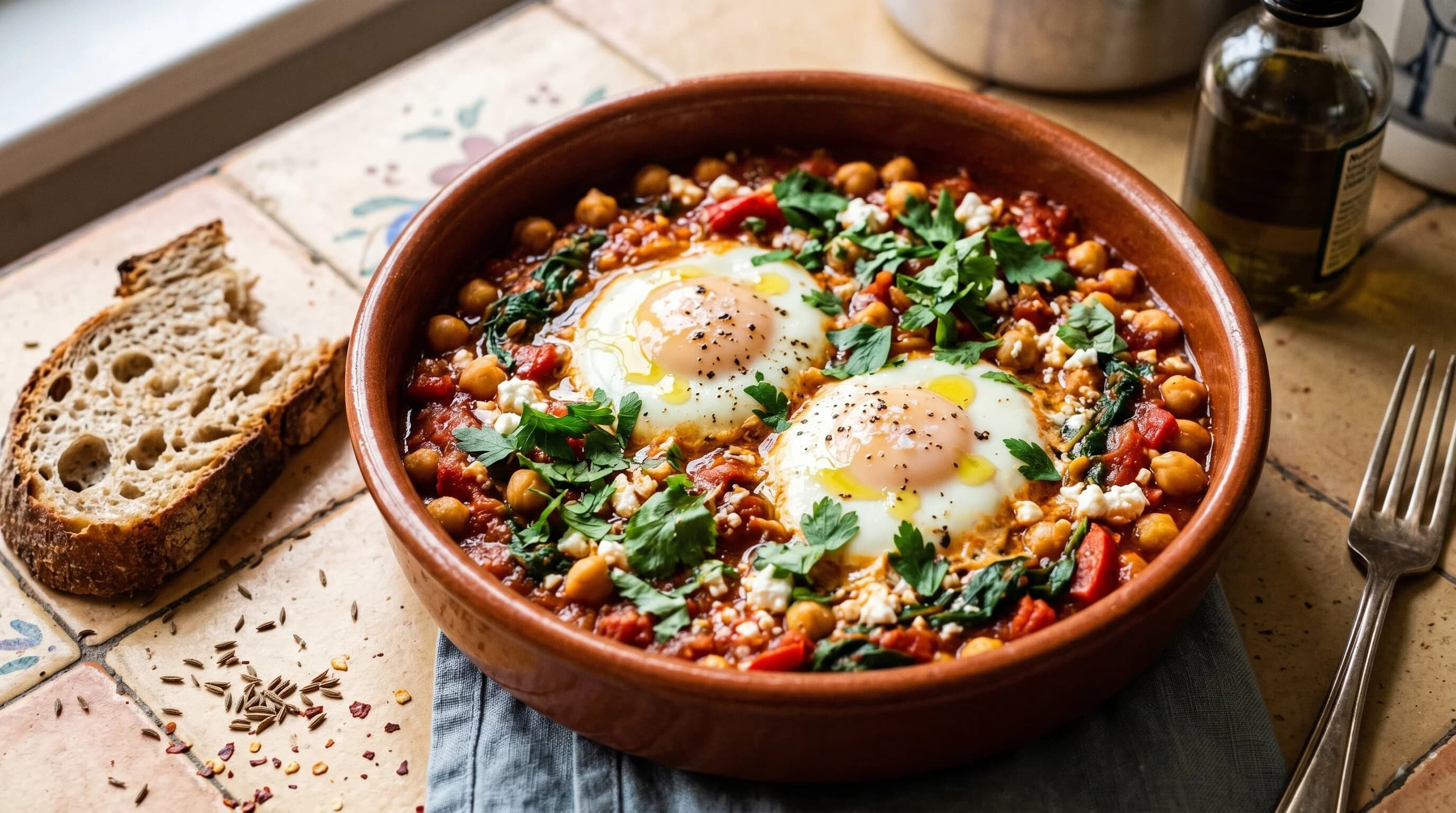
Best orders: Hummus — always vegetarian. Falafel (deep-fried, so not the lightest option, but reliably vegetarian and protein-dense from chickpeas). Fattoush or tabbouleh salads. Baba ganoush (roasted aubergine). Shakshuka (eggs in tomato sauce) if on the menu. Vegetable stuffed grape leaves (dolmades).
What to watch: Some pita breads contain lard. In traditional Turkish cooking, some vegetable dishes are made with lamb stock — worth asking. "Vegetable soup" in Middle Eastern contexts sometimes has a meat-based broth.
Japanese and sushi
Japanese vegetarian ordering requires more navigation than Indian or Mediterranean, but the ingredients are vegetarian-friendly by default — the challenge is stock and dashi.
Best orders: Miso soup is almost always vegetarian (check whether the dashi is fish-based or kombu-based — many restaurants use the latter). Vegetable sushi rolls — cucumber roll, avocado roll, pickled radish roll. Agedashi tofu. Hiyayakko (cold tofu with soy sauce and ginger). Edamame. Vegetable tempura (battered and fried, but vegetarian).
What to watch: The main hidden ingredient in Japanese cooking is dashi — a stock made from fish flakes (katsuobushi) and/or dried sardines. It appears in miso soup, dipping sauces, noodle broths, and many simmered dishes. If you're strictly vegetarian, ask whether dashi is used and whether a kombu (seaweed) dashi is available instead.
Gyoza — the default filling is pork. Ask for vegetable gyoza specifically.
Vietnamese
Vietnamese food has more vegetarian depth than most Western diners expect. Fresh ingredients, rice paper, and herb-forward dishes mean vegetarian dishes are full-flavored rather than compromised.
Best orders: Fresh spring rolls (gỏi cuốn) with tofu or vegetables — these are genuinely excellent. Vegetable pho — the challenge is the broth (see below). Bún (rice vermicelli) bowls with tofu and vegetables. Lemongrass tofu stir-fry if available.
What to watch: Pho broth is traditionally made from beef bones — the flavor depth comes from a long bone broth simmer. Some restaurants offer vegetarian pho made from a vegetable or mushroom broth; others don't. Ask specifically. Fish sauce appears in many Vietnamese dressings and dipping sauces (nước chấm) — if you avoid fish, ask whether a dish contains it.
Italian
Italian food looks vegetarian-friendly and mostly is — but there are some consistent hidden meat traps worth knowing.
Best orders: Margherita pizza or any pizza with vegetable toppings. Pasta arrabbiata, pomodoro, or primavera — tomato-based pasta sauces are reliably vegetarian. Risotto ai funghi (mushroom risotto) — check whether it's made with vegetable or chicken stock. Caprese starter (mozzarella and tomato). Minestrone soup.
What to watch: Pasta with pesto — traditional Genoese pesto contains Parmesan (animal rennet) and is therefore not strictly vegetarian. Most restaurants use Parmesan in their pesto regardless. If you eat Parmesan (many vegetarians do) this isn't an issue; if you avoid all animal rennet, ask. Pasta alla bolognese — obvious, but occasionally listed as "meat sauce" which can be missed. Caesar salad — anchovies in the dressing are standard. Ask for the dressing on the side or whether an anchovy-free version is available.
Thai
Thai food has good vegetarian options, but most dishes are made with fish sauce or shrimp paste as a foundational flavor component — meaning many "vegetable" dishes contain fish derivatives.
Best orders: Pad pak (stir-fried vegetables) — ask for no fish sauce. Vegetable green or red curry — ask whether the curry paste contains shrimp paste (some do, some don't). Som tam (green papaya salad) — the traditional version contains dried shrimp and fish sauce; ask for a vegetarian version. Steamed jasmine rice with tofu stir-fry.
What to ask: "Is this made with fish sauce?" and "Does the curry paste contain shrimp paste?" are the two most important questions at a Thai restaurant. Many Thai restaurants can accommodate — they'll substitute soy sauce for fish sauce — but you need to ask explicitly.
Chinese
Chinese vegetarian ordering is moderate difficulty. The cuisine has a rich Buddhist vegetarian cooking tradition, but modern Chinese restaurant menus often cook vegetables in the same woks as meat dishes.
Best orders: Mapo tofu — the classic version contains minced pork, but many restaurants offer a vegetarian version with mushrooms. Ask. Stir-fried greens with garlic (bok choy, gai lan). Steamed vegetable dumplings (ask specifically for vegetable filling — pork is the default). Vegetable fried rice.
What to watch: Oyster sauce appears in many vegetable stir-fry dishes — it's made from oysters, so it's not vegetarian. Ask whether the vegetables are cooked in oyster sauce and request substitution with soy sauce. Egg fried rice contains egg, which most vegetarians eat but vegans don't.
Mexican
Mexican food has a reliable vegetarian track within the menu — beans, rice, eggs, and cheese are staples. The hidden meat issue is more specific.
Best orders: Bean tacos, bean burritos, or bean bowls. Cheese quesadilla. Veggie fajitas. Guacamole and tortilla chips. Huevos rancheros. Most rice and bean dishes are vegetarian.
What to watch: Refried beans — traditional refried beans are cooked in lard (pork fat). Many restaurants now use vegetable oil, but it's not universal. Ask. Rice — some Mexican restaurants cook rice in chicken stock. Ask whether the rice is cooked in vegetable broth. Tortilla soup — often made with a chicken broth base.
What to ask your server at any restaurant
These questions cover the most common hidden-meat situations:
- "Is the stock/broth vegetable-based or meat-based?"
- "Does this contain fish sauce, anchovy, or shrimp paste?"
- "Is the [dish] cooked in lard or butter, or vegetable oil?"
- "Can I get this without the [meat ingredient]?"
- "Is there a vegetarian version of this?"
Most servers can answer these directly. If they're unsure, ask them to check with the kitchen — a good restaurant will always accommodate the question.
Cuisines to approach with lower expectations
At a steakhouse, vegetarian options are often limited to sides (salad, vegetables, baked potato) or a single pasta or grain dish. This isn't necessarily a problem — sides at a good steakhouse are often excellent — but it's worth setting expectations in advance.
At a classic French bistro, butter and stock are foundational to the cooking tradition. Many vegetable dishes are finished in chicken stock or butter. This isn't a dealbreaker, but it means asking more questions.
Scan your actual menu
The details vary widely by restaurant. WhatToEat scans the menu in front of you and picks the best vegetarian option based on your filters and mood.
Not medical advice. Always confirm ingredients and preparation method with staff, especially for serious dietary requirements.